Outdoor
Outdoor Trends 2026
How your brands can gain ground

A field perspective signed by Groupe ASM
Outdoor activities are no longer a “niche market.” In 2024, participation in outdoor activities reached a record level: nearly 60% of the American population goes outside regularly to play, with growth driven by both youth and seniors.
For a representation agency like Groupe ASM, this means one thing: things are moving fast. Retailers must adapt their purchases, brands must refine their positioning, and we must be able to read the game 2–3 seasons ahead for our partners.
Here’s how we see the major outdoor trends for 2026 – and most importantly, what this concretely means for the brands we represent and their retailers.
Adventures and proximity
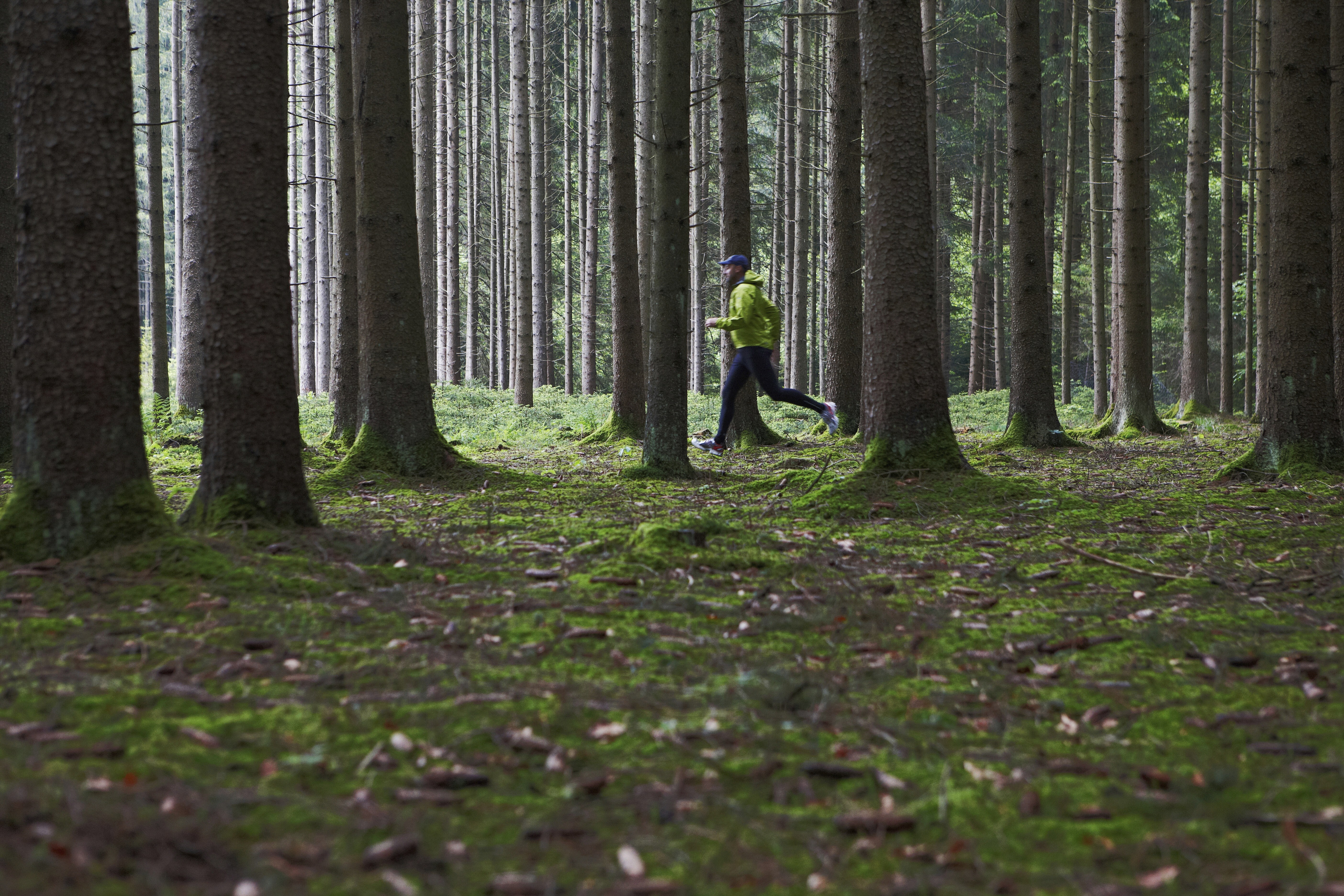
1. Micro-adventures and Proximity: Outdoor Activities "Between Two Meetings"
2025 reports show strong growth in "gateway activities": hiking, camping, biking, running, fishing… each gaining millions of new participants.
In short:
People are looking for short, simple, nearby outings from home.
We’re talking about 24–48 hours of micro-adventure: a regional park, a cabin, a night of camping, a gravel or trail outing after work.
Gear needs to be quick to use, intuitive, and versatile.
What This Means for Your Brands (ASM Vision)
Highlight easy-to-understand products: simple tent systems, versatile bags, "entry-level" shoes for the activity.
Develop "weekend" or "micro-adventure" collections rather than overly segmented ranges by activity.
Equip retailers with simple sales pitches: "This is your kit to go tomorrow after work," not just technical data sheets.
2. Outdoor & Well-being: From Cardio to Recovery
The wellness market is booming: the Global Wellness Economy forecasts an annual growth of about 8.6% until 2027, driven among other things by wellness travel which could exceed $1 trillion by then.
In terms of outdoor activities, this translates to:
Stays that include hiking + yoga + spa/nordic baths in one weekend.
Increased demand for products related to sleep, recovery, and thermal comfort.
A shift in discourse from "performance" to "balance, overall health, energy".
For ASM Brands
Position certain products as well-being tools: comfortable + breathable clothing, recovery sandals/shoes, more technical sleep equipment.
Adapt messages: less technical jargon, more perceived benefits ("sleep better," "recover faster," "stay comfortable longer outdoors").
Create, with retailers, outdoor wellness zones in-store: a "sleep & recovery" corner, "relax after the ride," etc.
3. A More Diverse and Multigenerational Outdoors
2025 data confirms an important point: growth comes from both seniors and youth, and the base of practitioners is becoming more diverse. The number of people born before 1959 participating in outdoor activities continues to rise significantly.
Practically, this results in:
Extended families outdoors: children, parents, grandparents on the same trails or campsites.
More beginners, with very varied profiles (urban dwellers, newcomers, former sedentary individuals).
Heightened sensitivity to safety, comfort, and accessibility (both terrain and products).
For Our Brands and Their Retailers
Plan for progressive ranges: good, better, excellent – with a real story for the "entry-level" category (not just the price).
Work on visuals and campaigns where users reflect the real customer base: ages, body types, lifestyles.
Train in-store teams to better support beginners: how to choose their first shoe, their first bag, their first camping kit.
4. 2026 Equipment: Light, Versatile, and Four Seasons
Practitioners want to do more... with less equipment. Product trends point towards:
Hybrid clothing: suitable for urban, office, and mountain wear on weekends.
Modular layering systems allowing transitions from 3 to 12 °C without a complete change of clothing.
Four-season equipment: bags, poles, reusable accessories for hiking, backcountry skiing, fatbiking, etc.
Reports on the outdoor industry emphasize that consumers are increasingly looking for versatile products, capable of adapting to a more changing climate, with more heat, more rain, and unstable conditions.
ASM's Approach with Buyers
Emphasize multi-functional “hero” products rather than the proliferation of highly specialized references.
Build collection stories rather than isolated products: "commuter & trail", "office & cabin", "city & resort" capsules.
Help retailers merchandise by use ("weekend in nature," "after work," "four seasons") rather than purely technical category.
5. PFAS, Sustainability, and the Repair Culture
This is THE hot topic for the coming seasons: PFAS, these "forever chemicals" used in many outdoor clothes and equipment for their water-repellent properties, are gradually being banned by regulations in North America and Europe.
Several states and countries are already banning or preparing to ban the sale of textiles containing PFAS starting in 2025.
Organizations like bluesign now require the absence of added PFAS in certified products.
Mainstream media are increasingly discussing the link between gorpcore (outdoor fashion) and these harmful substances for health and the environment.
For the brands we represent, it is both a constraint and an opportunity to stand out.
How ASM Supports This Transition
By helping brands clarify their messaging (PFAS-free, "no intentionally added PFAS", etc.) to avoid greenwashing.
By working with retailers to highlight:
Real sustainability (longevity, reparability, availability of parts);
Repair and maintenance services (rewaterproofing, alterations);
In-store areas dedicated to the second life of products.
By integrating sustainability into sales pitches: "This product is designed to last 8–10 years" becomes a key decision factor.
6. Discreet Tech: Connected Outdoors… Without a Screen in Your Face
Tech isn’t going away, but it is becoming more discreet and useful:
More intuitive navigation and safety apps.
Simplified performance tracking, without getting lost in data.
Pre-immersive content: trail videos, route explanations, virtual tours of cabins to reassure beginners.
For Your Brands
Integrate tech into the product narrative, but without creating a wall of specs.
Co-create with retailers in-store experiences:
Screens showing real product usage in the field;
QR codes leading to tutorials, selection guides, etc.
Use digital content to complement the experience rather than replace it: in-store tests + online content = winning combo.
7. Playing Outside Year-Round: The Four Seasons Opportunity
In Nordic markets, the biggest growth potential often remains… in winter. More and more destinations and parks are positioning themselves as four seasons, adapting trails and infrastructure for snowshoeing, cross-country skiing, fatbiking, and winter hiking.
What the ASM Group Sees on the Ground
An increasing demand for simple but reliable winter products: base layers, accessories, traction systems, versatile boots.
A strong need for education: how to dress, manage moisture, and stay safe in cold weather.
Great room for brands that know how to tell winter's story differently than just through high-performance alpine skiing.
For our partner brands, our role at Groupe ASM is to:
Read trends and translate them into concrete product and commercial strategies for each territory.
Help retailers buy right, merchandise smartly, and train their teams according to these new realities.
Create bridges between the brand and the field: consumer feedback, store feedback, adjustments to collections and messages.
A field perspective signed by Groupe ASM
Outdoor activities are no longer a “niche market.” In 2024, participation in outdoor activities reached a record level: nearly 60% of the American population goes outside regularly to play, with growth driven by both youth and seniors.
For a representation agency like Groupe ASM, this means one thing: things are moving fast. Retailers must adapt their purchases, brands must refine their positioning, and we must be able to read the game 2–3 seasons ahead for our partners.
Here’s how we see the major outdoor trends for 2026 – and most importantly, what this concretely means for the brands we represent and their retailers.
Adventures and proximity
1. Micro-adventures and Proximity: Outdoor Activities "Between Two Meetings"
2025 reports show strong growth in "gateway activities": hiking, camping, biking, running, fishing… each gaining millions of new participants.
In short:
People are looking for short, simple, nearby outings from home.
We’re talking about 24–48 hours of micro-adventure: a regional park, a cabin, a night of camping, a gravel or trail outing after work.
Gear needs to be quick to use, intuitive, and versatile.
What This Means for Your Brands (ASM Vision)
Highlight easy-to-understand products: simple tent systems, versatile bags, "entry-level" shoes for the activity.
Develop "weekend" or "micro-adventure" collections rather than overly segmented ranges by activity.
Equip retailers with simple sales pitches: "This is your kit to go tomorrow after work," not just technical data sheets.
2. Outdoor & Well-being: From Cardio to Recovery
The wellness market is booming: the Global Wellness Economy forecasts an annual growth of about 8.6% until 2027, driven among other things by wellness travel which could exceed $1 trillion by then.
In terms of outdoor activities, this translates to:
Stays that include hiking + yoga + spa/nordic baths in one weekend.
Increased demand for products related to sleep, recovery, and thermal comfort.
A shift in discourse from "performance" to "balance, overall health, energy".
For ASM Brands
Position certain products as well-being tools: comfortable + breathable clothing, recovery sandals/shoes, more technical sleep equipment.
Adapt messages: less technical jargon, more perceived benefits ("sleep better," "recover faster," "stay comfortable longer outdoors").
Create, with retailers, outdoor wellness zones in-store: a "sleep & recovery" corner, "relax after the ride," etc.
3. A More Diverse and Multigenerational Outdoors
2025 data confirms an important point: growth comes from both seniors and youth, and the base of practitioners is becoming more diverse. The number of people born before 1959 participating in outdoor activities continues to rise significantly.
Practically, this results in:
Extended families outdoors: children, parents, grandparents on the same trails or campsites.
More beginners, with very varied profiles (urban dwellers, newcomers, former sedentary individuals).
Heightened sensitivity to safety, comfort, and accessibility (both terrain and products).
For Our Brands and Their Retailers
Plan for progressive ranges: good, better, excellent – with a real story for the "entry-level" category (not just the price).
Work on visuals and campaigns where users reflect the real customer base: ages, body types, lifestyles.
Train in-store teams to better support beginners: how to choose their first shoe, their first bag, their first camping kit.
4. 2026 Equipment: Light, Versatile, and Four Seasons
Practitioners want to do more... with less equipment. Product trends point towards:
Hybrid clothing: suitable for urban, office, and mountain wear on weekends.
Modular layering systems allowing transitions from 3 to 12 °C without a complete change of clothing.
Four-season equipment: bags, poles, reusable accessories for hiking, backcountry skiing, fatbiking, etc.
Reports on the outdoor industry emphasize that consumers are increasingly looking for versatile products, capable of adapting to a more changing climate, with more heat, more rain, and unstable conditions.
ASM's Approach with Buyers
Emphasize multi-functional “hero” products rather than the proliferation of highly specialized references.
Build collection stories rather than isolated products: "commuter & trail", "office & cabin", "city & resort" capsules.
Help retailers merchandise by use ("weekend in nature," "after work," "four seasons") rather than purely technical category.
5. PFAS, Sustainability, and the Repair Culture
This is THE hot topic for the coming seasons: PFAS, these "forever chemicals" used in many outdoor clothes and equipment for their water-repellent properties, are gradually being banned by regulations in North America and Europe.
Several states and countries are already banning or preparing to ban the sale of textiles containing PFAS starting in 2025.
Organizations like bluesign now require the absence of added PFAS in certified products.
Mainstream media are increasingly discussing the link between gorpcore (outdoor fashion) and these harmful substances for health and the environment.
For the brands we represent, it is both a constraint and an opportunity to stand out.
How ASM Supports This Transition
By helping brands clarify their messaging (PFAS-free, "no intentionally added PFAS", etc.) to avoid greenwashing.
By working with retailers to highlight:
Real sustainability (longevity, reparability, availability of parts);
Repair and maintenance services (rewaterproofing, alterations);
In-store areas dedicated to the second life of products.
By integrating sustainability into sales pitches: "This product is designed to last 8–10 years" becomes a key decision factor.
6. Discreet Tech: Connected Outdoors… Without a Screen in Your Face
Tech isn’t going away, but it is becoming more discreet and useful:
More intuitive navigation and safety apps.
Simplified performance tracking, without getting lost in data.
Pre-immersive content: trail videos, route explanations, virtual tours of cabins to reassure beginners.
For Your Brands
Integrate tech into the product narrative, but without creating a wall of specs.
Co-create with retailers in-store experiences:
Screens showing real product usage in the field;
QR codes leading to tutorials, selection guides, etc.
Use digital content to complement the experience rather than replace it: in-store tests + online content = winning combo.
7. Playing Outside Year-Round: The Four Seasons Opportunity
In Nordic markets, the biggest growth potential often remains… in winter. More and more destinations and parks are positioning themselves as four seasons, adapting trails and infrastructure for snowshoeing, cross-country skiing, fatbiking, and winter hiking.
What the ASM Group Sees on the Ground
An increasing demand for simple but reliable winter products: base layers, accessories, traction systems, versatile boots.
A strong need for education: how to dress, manage moisture, and stay safe in cold weather.
Great room for brands that know how to tell winter's story differently than just through high-performance alpine skiing.
For our partner brands, our role at Groupe ASM is to:
Read trends and translate them into concrete product and commercial strategies for each territory.
Help retailers buy right, merchandise smartly, and train their teams according to these new realities.
Create bridges between the brand and the field: consumer feedback, store feedback, adjustments to collections and messages.